Staging or dock cycles stated with pallet mix, buffer occupancy, replenishment and the peak window under review.
Rate inputs →
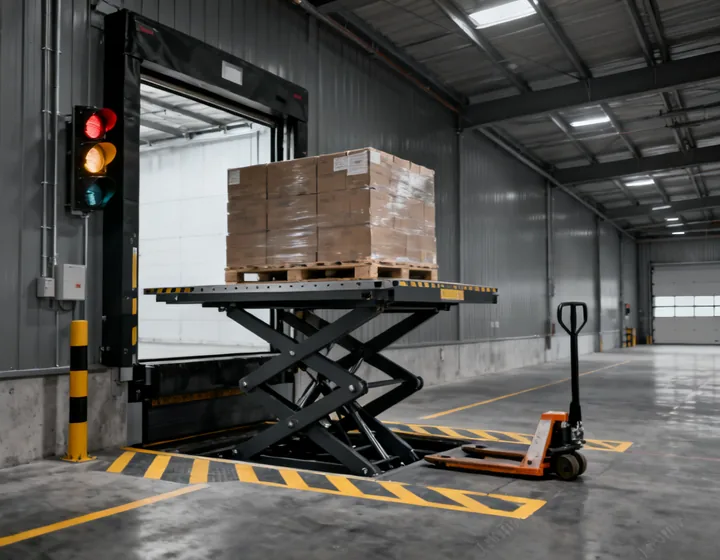
Capture load center, pallet dimensions, aisle geometry, peak staging cycles and interlock owners before comparing scissor lift tables or pallet jacks. Clear inputs shorten RFQ review and protect handover.
Each gate links a project statement to a stated operating condition and a reviewable deliverable—not an unsupported percentage.
Staging or dock cycles stated with pallet mix, buffer occupancy, replenishment and the peak window under review.
Rate inputs →Lift motion, guards, stops and any dock signal interlocks checked against the agreed test profile before shipment.
FAT path →Installed floor, live loads, trailer or staging geometry and exception cases exercised with named owners.
SAT path →Diagnostics access, critical spares and recovery procedures documented before operational handover.
Service boundary →Cards follow material flow rather than abstract technology labels. Open an inquiry when the governing load and route are known.
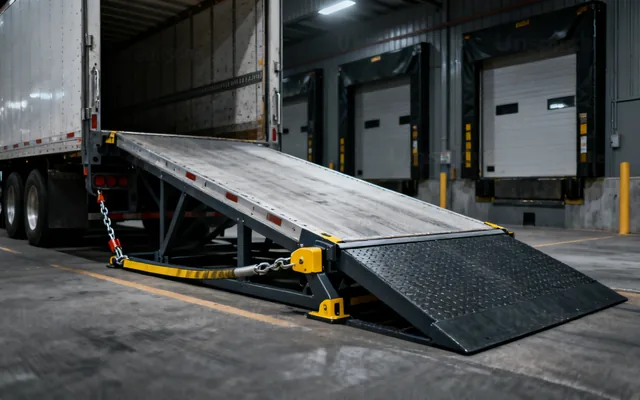
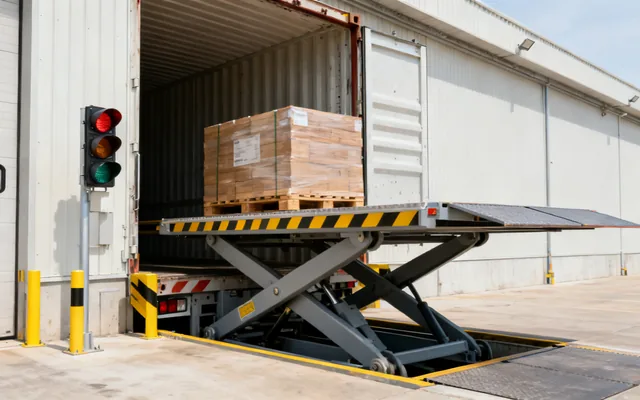
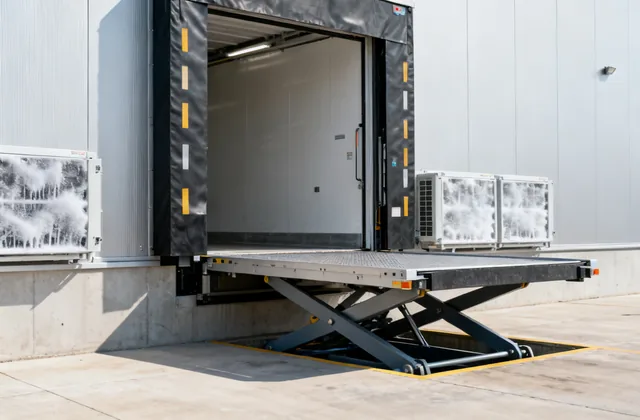
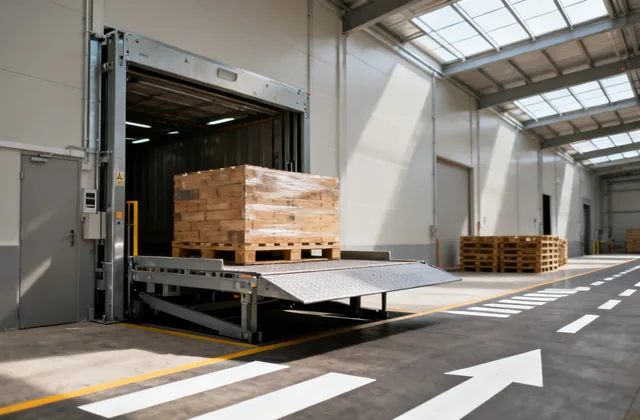
Bridge grade differentials when trailer bed range exceeds fixed dock height. Capacity stays tied to load center and pit geometry.
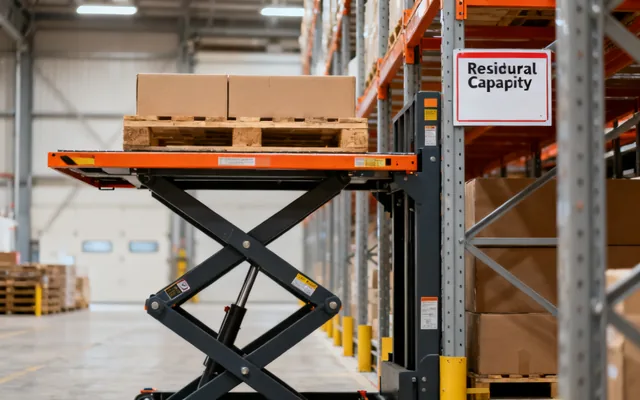
Hold putaway or buffer height steady without collapsing fire and maintenance aisles after density gains.
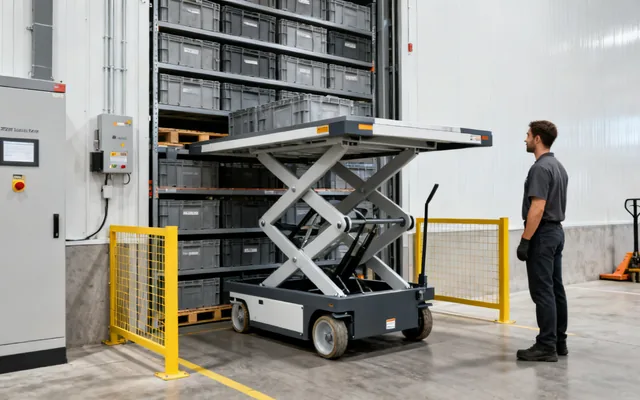
Horizontal moves still need floor quality, ramp grades and traffic rules written into the application brief.
Raise pick presentation height when SKU velocity and work content change across the peak window.
Support sortation buffers when accumulation and exception recovery must stay inside the design case.
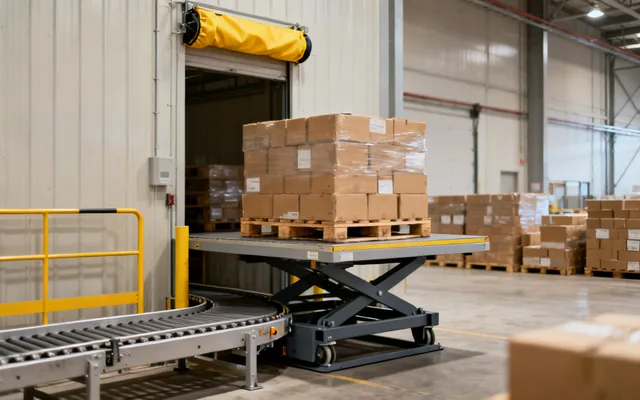
Coordinate outbound trailer mix, lip or platform travel and signal release as one sequence before cutover.
These fields are planning prompts. Site measurements and the agreed design case replace brochure defaults.
Industry labels are starting points. SKU depth, peak factor and temperature boundary decide the lift package.
Volatile order mix and compressed carrier windows demand fast staging cycles with documented buffer occupancy.
Temperature-zoned moves require open-time discipline, seal integrity and recovery to a known safe state.
Line-critical arrivals need residual capacity at working height plus a named fallback bay when a dock is blocked.
Send load unit, duty cycle, geometry and interface owners so evaluation starts from operating evidence—not brochure ratings alone.