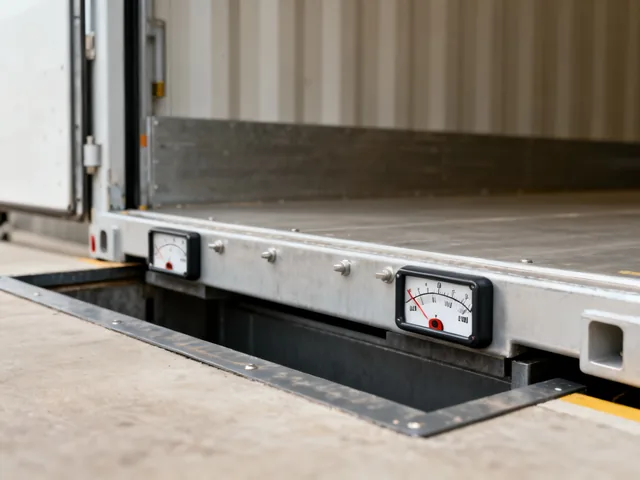
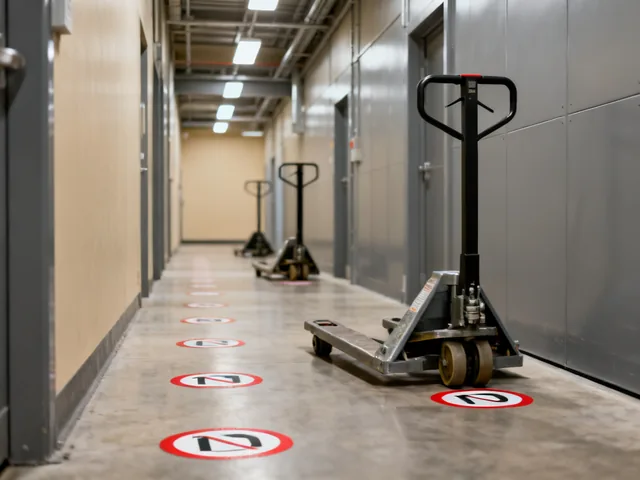
Bishamon focuses on dock, loading and warehouse lifting equipment. Teams document load engineering, safety integration and service access so capital procurement, operations and maintenance evaluate the same boundary.
Clear requirements. Faster evaluation. Confident handover. Bishamon treats residual capacity, interlock ownership and recovery procedures as first-class project records—not afterthoughts in a brochure appendix.
Since the planning baseline year of 1982, Bishamon conversations have centered on lift tables, pallet jacks and dock lifting packages that must survive peak windows without inventing unsupported rates. Credential ranges such as 1,000+ people and 54 markets are configuration planning values, not independently verified public certifications.
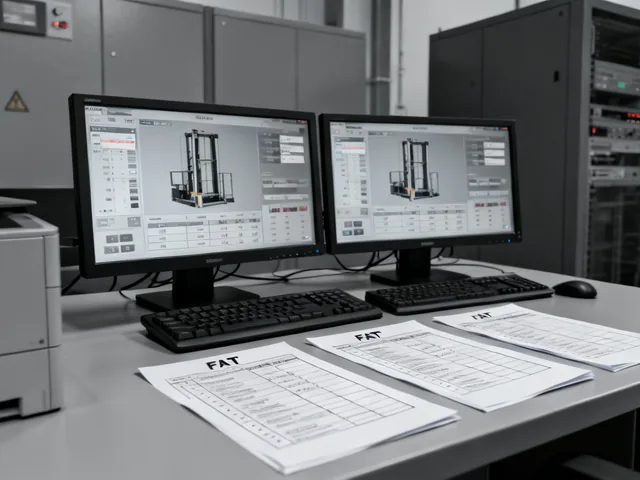
The research habit is practical: measure load center and dimensions, map aisle and pit geometry, name interface owners, then write FAT/SAT cases that operations can reuse when the bay returns to production. That is how Bishamon keeps minimal-efficient RFQs honest.
Facilities support load application trials, guard and stop checks, and documentation rehearsals. Photos illustrate typical engineering environments; project evidence remains site-specific.
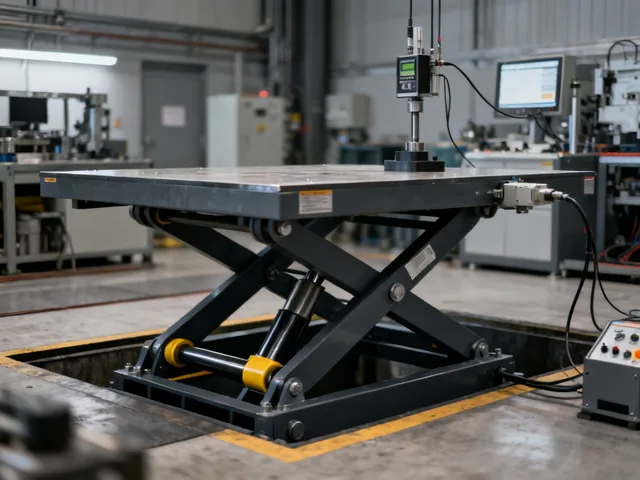
These notes are discussion aids. They do not certify a model and must be adapted to local regulations and corporate standards.
How to record mass, center distance, overhang and residual capacity language before comparing platforms.
Trailer bed range, pit depth, approach slope and maintenance access questions for freight platforms.
Floor class, grade, pedestrian density and repair planning prompts for horizontal handling.
Nominal and abnormal sequences, evidence owners and cutover fallback prompts.
Share load, geometry and acceptance targets so the next conversation stays attached to operating evidence.
Contact Bishamon